Inoculant
Product Overview
If eutectic cells are coarse and graphite morphology is poor when the molten iron solidifies, defects such as chill, shrinkage porosity and hard brittleness occur. When an inoculant is added to molten iron, elements such as calcium, barium, strontium and zirconium form high-melting-point particles with oxygen and sulfur. These act as heterogeneous nuclei for graphite precipitation, promoting graphitization and refining the structure.
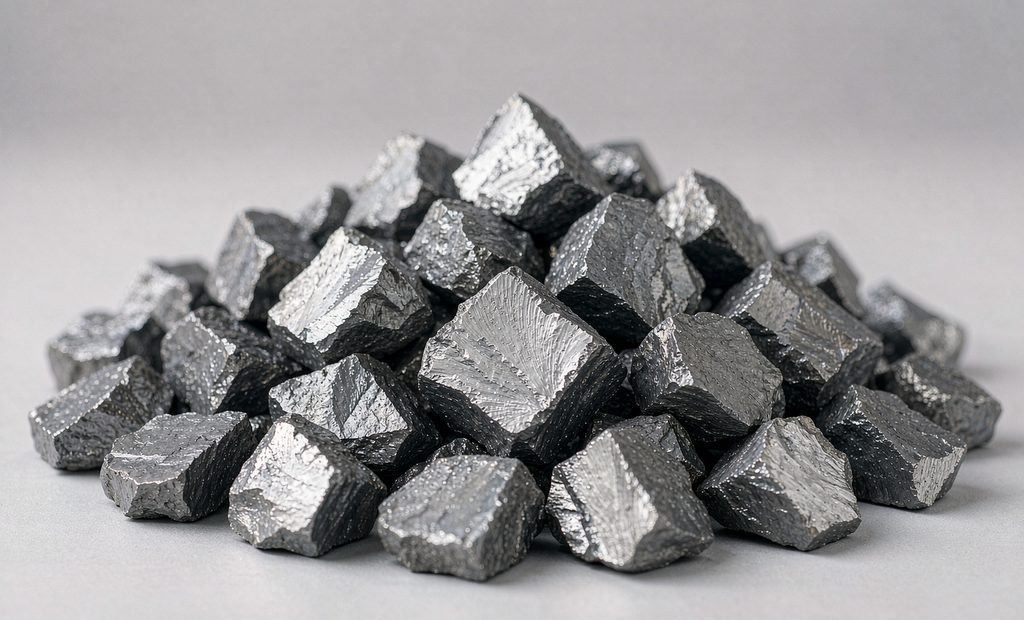
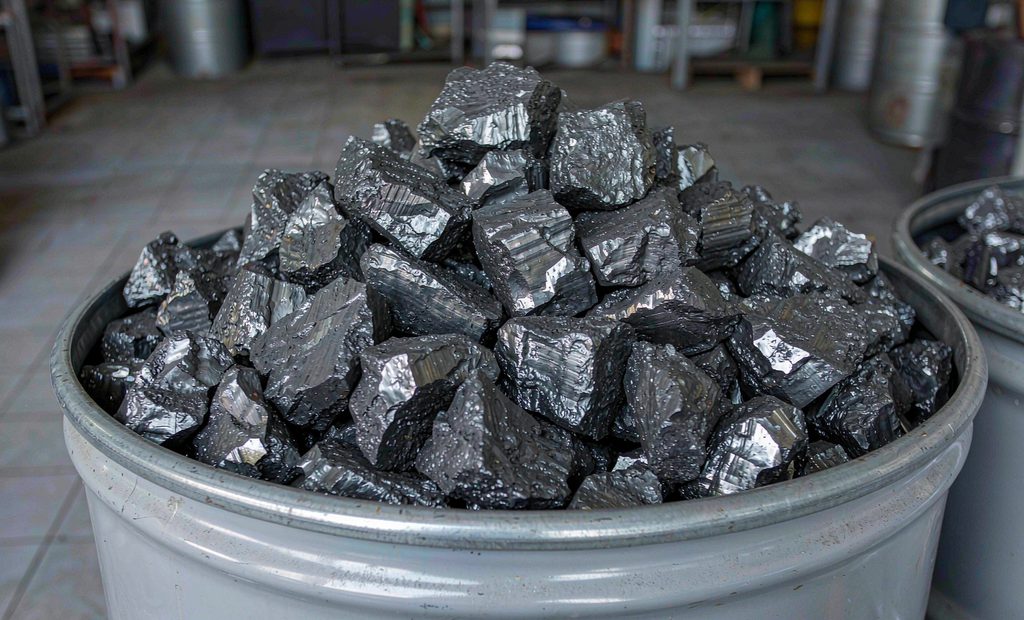
Our inoculants are based on premium ferrosilicon with inoculating elements such as barium, calcium, strontium and zirconium, produced by medium-frequency furnace melting and precision screening. The product has uniform composition, a moderate melting point and fast dissolution and diffusion, giving immediate and long-lasting inoculation - an indispensable treatment material for gray iron and ductile iron production.
Product Series and Features
| Series | Main Composition | Features | Suitable Process |
|---|---|---|---|
| Ba-Si Inoculant | Si 65-72%, Ba 2-6%, Ca 1-3% | Outstanding fade resistance, first choice for long-lasting inoculation | In-ladle inoculation, heavy sections, long transfer times |
| Ca-Si Inoculant | Si 55-65%, Ca 25-32% | Strong graphitizing ability, powerfully eliminating chill | Thin-walled gray iron parts, high-grade gray iron |
| Zr-Si Inoculant | Si 70-80%, Zr 1-3%, Mn 5-8% | Fast dissolution, less slag, low porosity tendency | Stream inoculation, thin-walled complex parts |
| Sr-Si Inoculant | Si 73-78%, Sr 0.6-1.2% | Does not increase shrinkage porosity tendency; friendly to thin-walled ductile iron | Thin-walled ductile iron parts, shrinkage-sensitive parts |
| General 75% Ferrosilicon | Si 74~80% | Cost-effective basic inoculating material | General gray iron, silicon source in the charge |
Product Advantages
- ✓Uniform composition without segregation; consistent inoculation between batches
- ✓Fast melting and diffusion, taking effect within a short time in the ladle
- ✓Strong fade resistance, long pouring window, reducing late-stage failure
- ✓Low slag volume, no sulfur pick-up, no degradation of molten iron cleanliness
- ✓Strictly screened grain sizes, free of powder and oversized lumps
- ✓Multi-element composite ratios can be customized to match your process issues
Available Particle Sizes
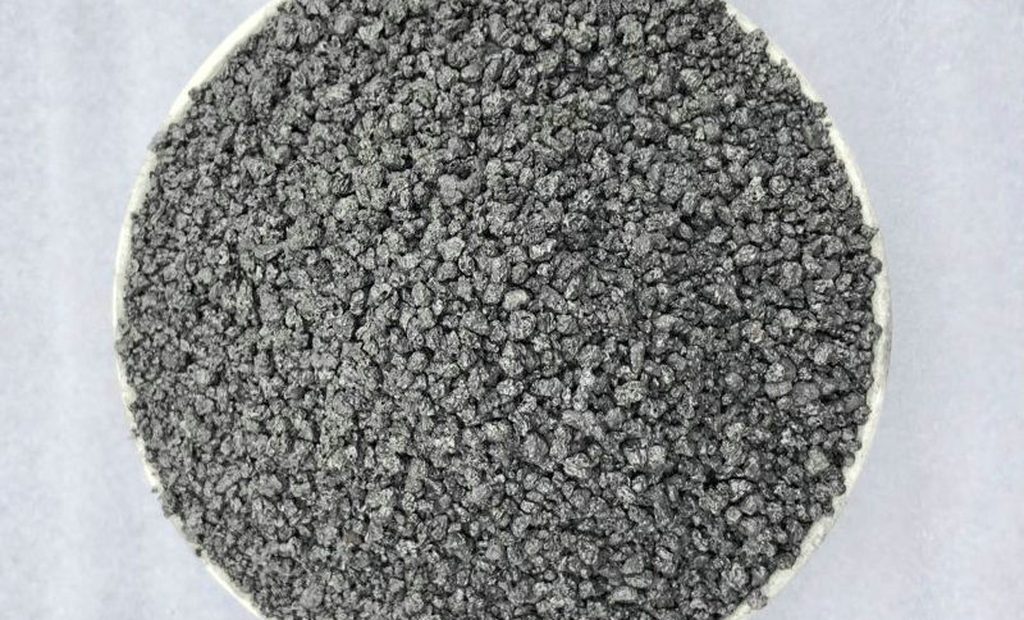
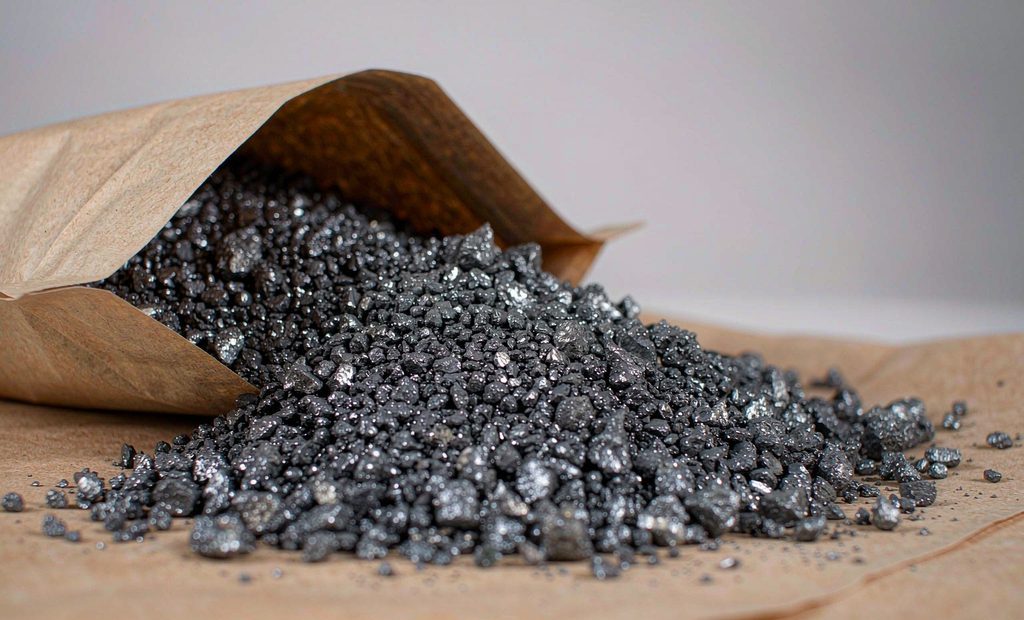
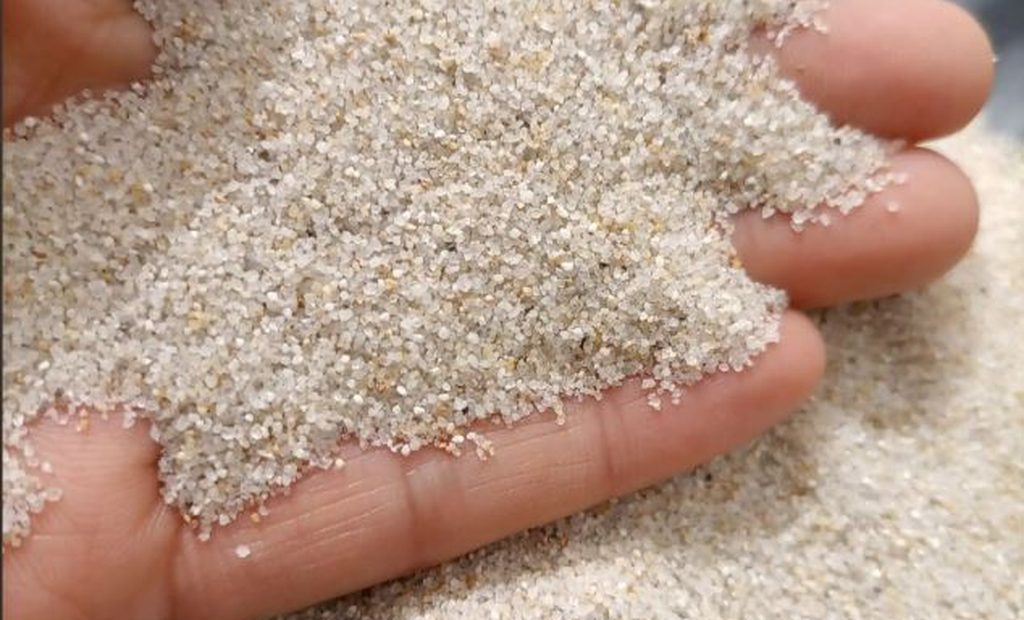
Fine grain is recommended for stream and in-mold inoculation; 3-8 mm regular grain for in-ladle plunging; for wire feeding we can supply powder specially for cored wire.
How to Use
- Determine the addition rate:Inoculation amount is generally 0.2%-0.5% of molten iron weight for gray iron and 0.4%-0.8% for ductile iron, adjusted according to base iron condition and casting wall thickness.
- In-ladle plunging:When tapping, spread the inoculant in the impact zone of the molten iron stream or in the ladle so that it dissolves fully as the iron churns; rake slag and pour as soon as possible.
- Stream inoculation:During pouring, use an inoculation hopper to spread fine-grain inoculant evenly into the pouring stream. Inoculation takes effect instantly, suitable for thin-walled parts with high fade resistance requirements.
- Timing control:Inoculation effect fades with time; pouring should be completed within 10-15 minutes after inoculation. For heavy parts or long transfer times, choose the Ba-Si long-acting series.
- Effect verification:Evaluate inoculation effect through the chill width of a triangular test block, eutectic cell count and mechanical property tests, guiding process optimization.
Packaging, Storage & Transport
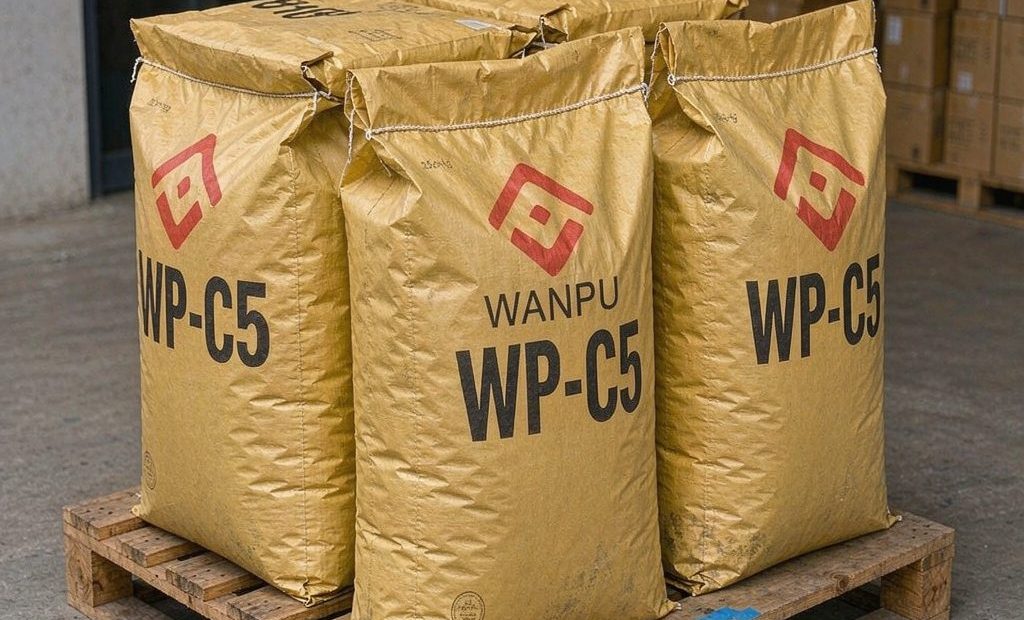
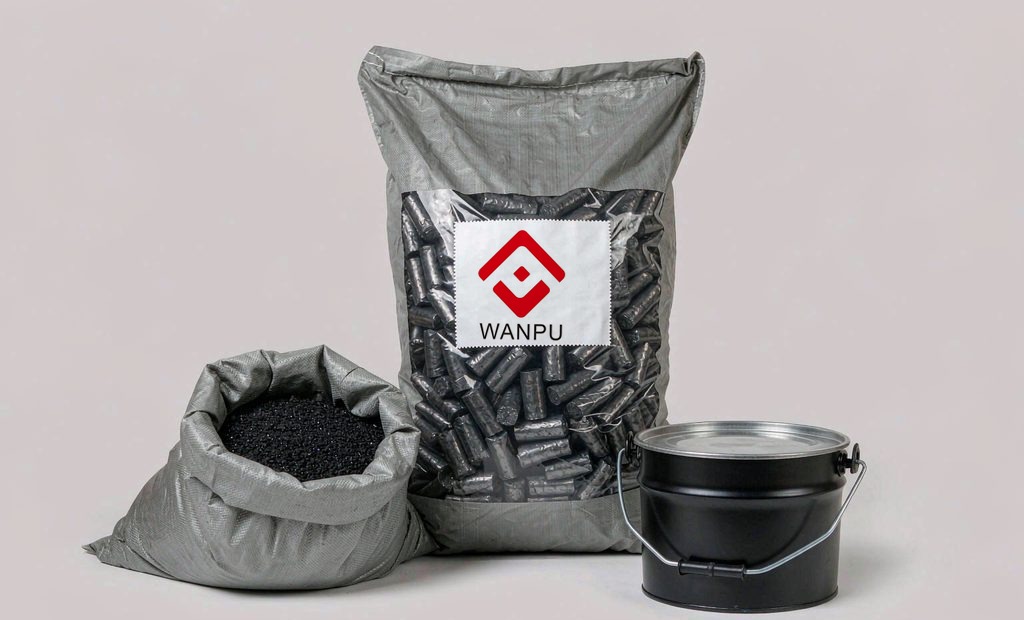
Packed in 25 kg moisture-proof bags / 1-ton jumbo bags with waterproof liner. Store in a dry, ventilated warehouse, protected from moisture and rain. With fine grain and a large specific surface area, inoculants absorb moisture and oxidize more easily - use first-in-first-out and purchase as needed.
Need an inoculant quotation?
Tell us the series, grain size and monthly consumption for a favorable quotation the same day