Product Selection Guide
Product Selection Guide
Choosing foundry materials is not about "the more expensive the better", but about matching casting material, melting equipment, molding process and raw sand conditions. The same carburizer may differ by 10 percentage points in absorption rate between a 1-ton medium-frequency furnace and a 3-ton cupola; the same nodulizer grade performs completely differently when treating low-sulfur and high-sulfur molten iron. This guide presents a selection path and reference addition rates in the order of "material - process - material" for purchasing and technical departments. The data in the tables are empirical values under conventional conditions; actual results are subject to trial verification.
① Master Table: Selection by Casting Material and Process
| Casting Type / Typical Grades | Melting & Metal Treatment | Molding / Core-Making Materials | Pouring & Post-Treatment |
|---|---|---|---|
| Gray Iron HT200 ~ HT300 |
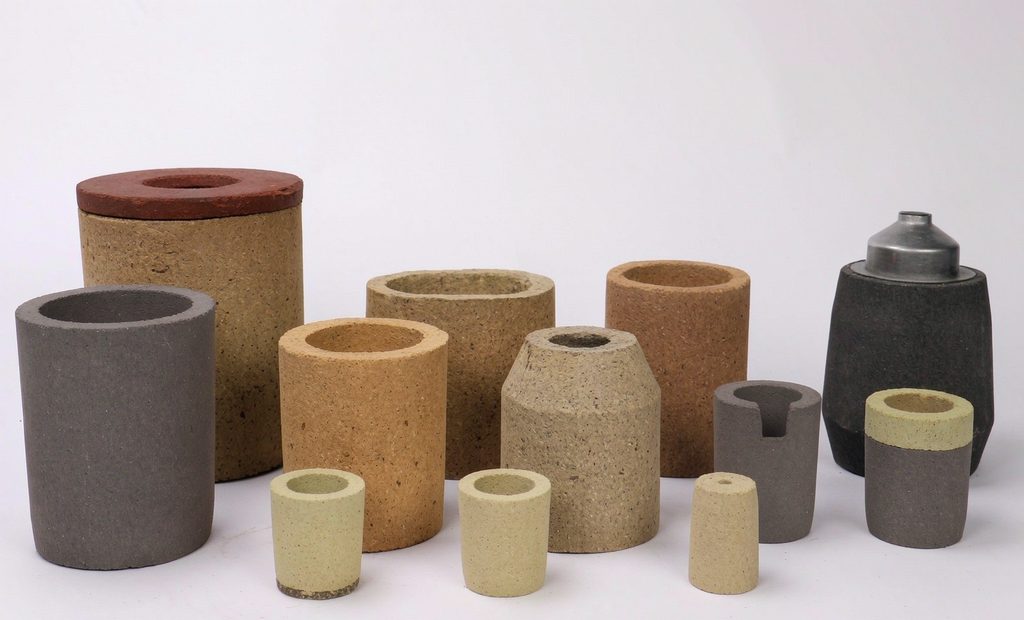
Carburizer (graphitized or petroleum coke), deslagging agent, inoculant (Ba-Si / Sr-Si), ferromanganese, ferrosilicon | Clay sand line: washed quartz sand; resin sand line: scoured sand + furan resin | Foundry coating, ceramic foam filter, foundry riser |
| Ductile Iron QT400 ~ QT700 |
Nodulizer (rare-earth magnesium ferrosilicon), inoculant (Ba-Si / rare earth), low-sulfur carburizer, deslagging agent | Scoured sand + furan resin no-bake; resin-coated sand for complex cores | Ceramic foam filter, riser sleeve, foundry coating |
| Carbon Steel / Low-Alloy Steel ZG230-450 etc. |
Carburizer, aluminium or Ca-Si deoxidation, ferrochrome / ferromolybdenum / nickel plate added by grade | Ceramic sand or chromite sand facing sand + ester-cured alkaline phenolic resin | Cast steel coating, insulating riser, ceramic foam filter |
| High-Manganese Steel ZGMn13 series |
High-carbon ferromanganese, carburizer, deoxidizer | Olivine sand (avoiding sand burn-on from the reaction of SiO2 with MnO) | Basic or neutral coating, riser |
| High-Chromium / Heat-Resistant Alloy Iron | Ferrochrome, ferromolybdenum, copper, carburizer | Chromite sand facing sand, resin-coated sand cores | High-refractoriness coating, ceramic filter |
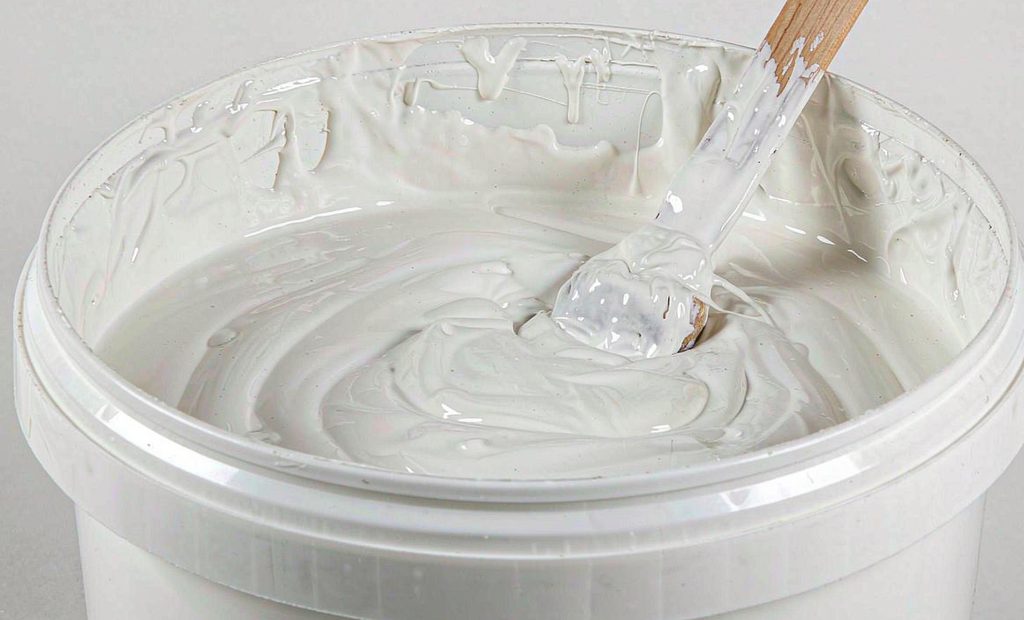
| Lost Foam Casting | Carburizer, nodulizer / inoculant (same as the corresponding material) | EPS pattern + lost foam dedicated coating (balancing strength and permeability) | Vacuum pouring, dedicated coating |
| Resin No-Bake Sand Line | — | Scoured sand + furan resin + sulfonic acid hardener | Alcohol-based / water-based coating |
| Shell Mold / Shell Core Line | — | Resin-coated sand (hot-coated phenolic resin) | Coating, riser sleeve |
* The table shows conventional configurations. Actual selection must be adjusted according to sulfur and phosphorus content of the molten iron, casting wall thickness and production rhythm. We can provide specific grade recommendations based on your conditions.
② Key Points for Melting Materials
▍Carburizer: Check Sulfur First, Then Absorption Rate
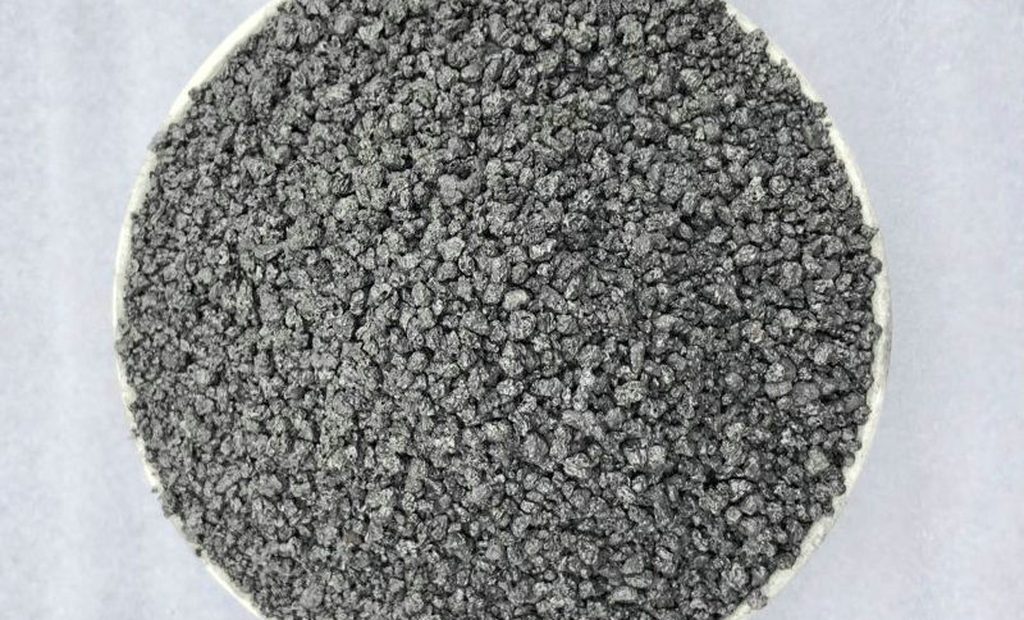
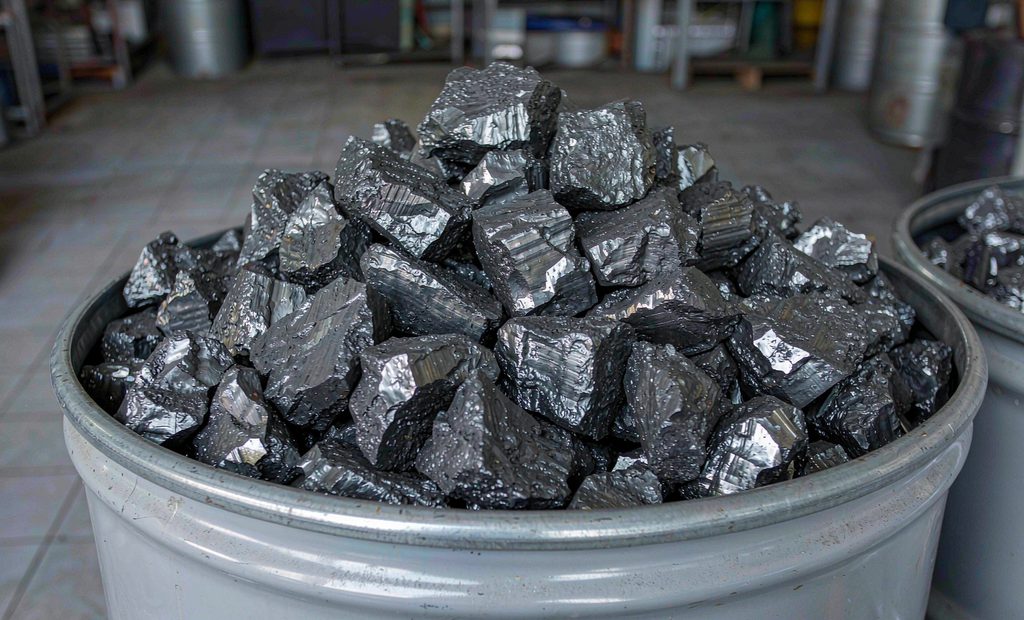
- ✓Graphitized carburizer: fixed carbon ≥98%, sulfur ≤0.05%, absorption rate 85%-95%. Suitable for ductile iron, high-quality gray iron and sulfur-sensitive materials
- ✓Petroleum coke carburizer: fixed carbon 95%-98%, sulfur 0.3%-0.5%, absorption rate 75%-85%. Cost-effective for ordinary gray iron; the sulfur input must be accounted for before use in ductile iron
- ✓Particle size: 1-5 mm is common for medium-frequency furnaces; 0.5-3 mm fine grains dissolve faster for in-ladle or stream carburizing
- ✓Key points: add after the charge is fully melted, keep the tapping temperature at 1450°C or above and stir thoroughly; adding in batches gives a higher absorption rate than a single addition
▍Nodulizer: Grade Determined by Sulfur Content of the Molten Iron
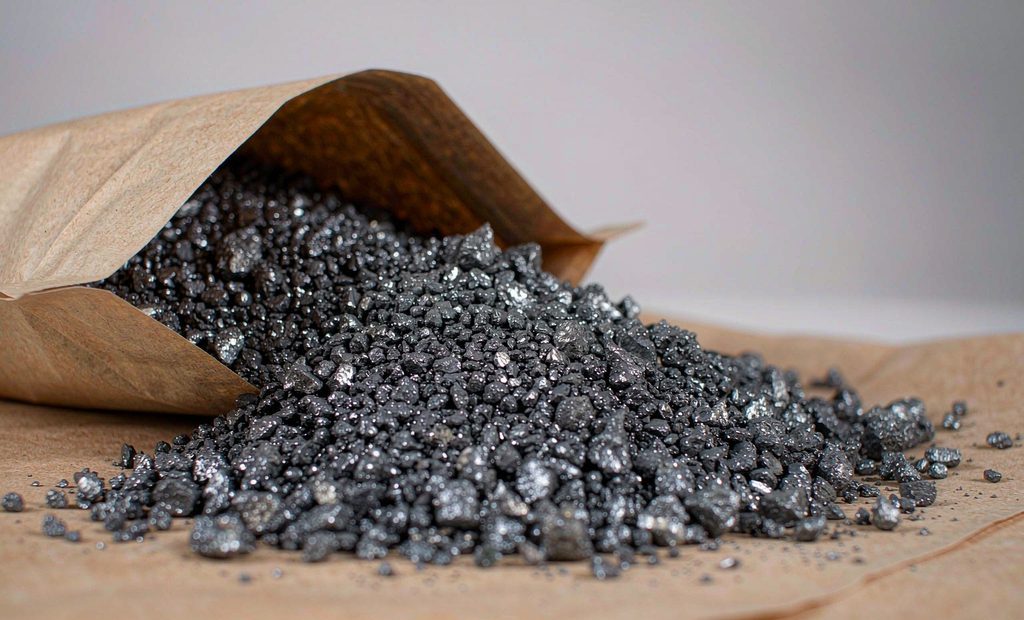
- ✓Conventional rare-earth magnesium ferrosilicon: Mg 5%-8%, Re 1%-3%, suitable for most on-site conditions when converting gray iron to ductile iron
- ✓Low rare-earth grades: used when the molten iron sulfur is ≤0.02% and the treatment temperature is relatively high, reducing rare-earth inclusions and slag defects
- ✓Treatment process: sandwich method (stable absorption, less magnesium flare), plunging method (simple operation), wire feeding (with cored wire, suitable for automated lines)
- ✓Addition rate: generally 1.0%-1.6% of the molten iron weight; increase it when the base iron sulfur is high and the temperature is low. Pouring should be completed within 8-12 minutes after treatment to prevent nodularization fade
▍Inoculant: Selected by Casting Wall Thickness and Defect Type
- ✓Ba-Si inoculant: strong fade resistance, suitable for heavy sections and ductile iron, with a long-lasting inoculation effect
- ✓Sr-Si inoculant: suppresses chill and improves graphite morphology, suitable for thin-walled gray iron castings (such as cylinder blocks and brake discs)
- ✓Rare-earth inoculant: used for post-inoculation of ductile iron, effectively suppressing nodularization fade and graphite degeneration
- ✓Addition rate: 0.3%-0.6% for furnace inoculation, 0.1%-0.2% for stream inoculation; the total inoculation amount should not be too high, to avoid increasing shrinkage
▍Deslagging Agent and Ferroalloys
- ✓Deslagging agent: bentonite-based or perlite-based, addition rate 0.3%-0.8%. It forms a film and coagulates slag after spreading, making it easy to rake off in one piece and reducing slag inclusion
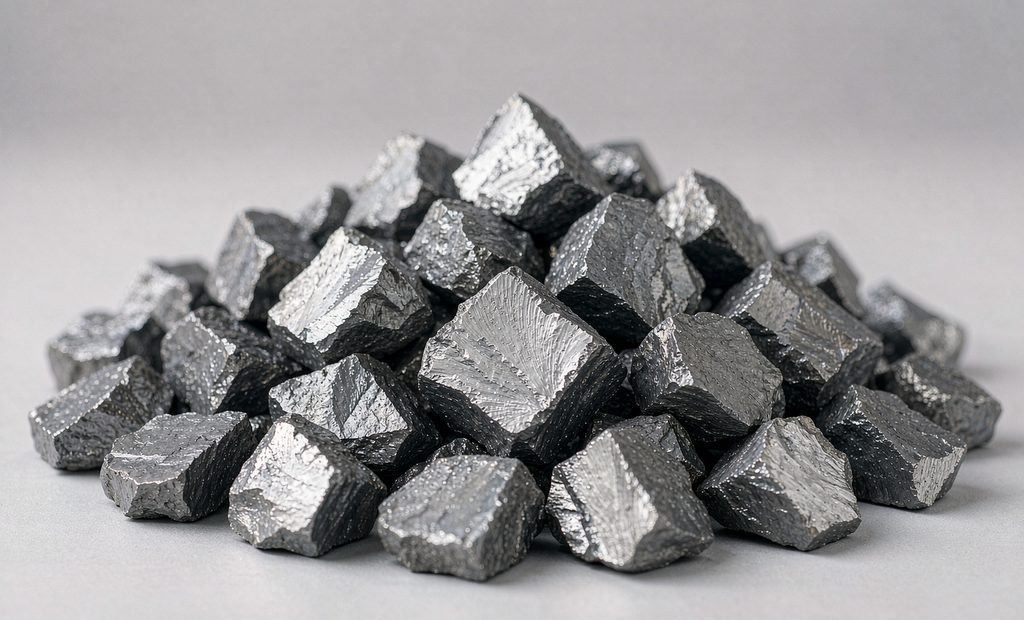
- ✓Ferroalloys: ferromanganese, ferrosilicon, ferrochrome, ferromolybdenum, nickel plate, copper etc. added according to the target grade. Reference recovery rates: Mn 80%-90%, Cr 90%-95%, Si 85%-95%, to be corrected according to actual furnace conditions
③ Selection of Molding and Core-Making Materials
| Process Line | Recommended Sand Type and Grain Size | Binder / Matching Materials | Selection Key Points |
|---|---|---|---|
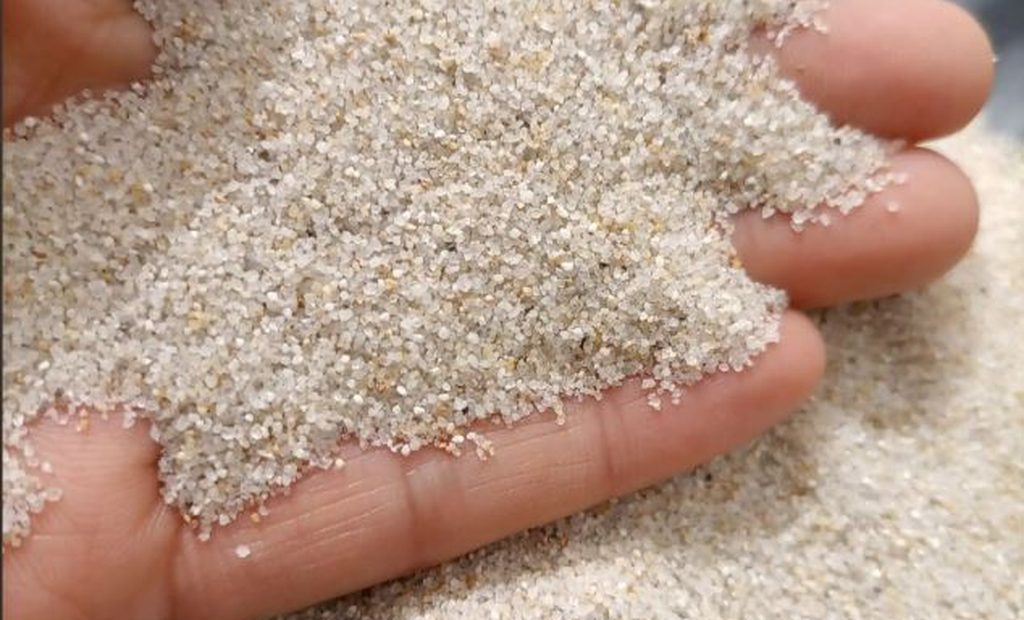
| Clay Sand (Green Sand) | Washed quartz sand 50/100, 70/140 mesh | Bentonite, coal powder, starch | Cost first; clay content ≤0.5%, rounded grain shape for good flowability |
| Resin No-Bake Sand | Scoured sand 30/50, 40/70 mesh (clay content ≤0.3%) | Furan resin 1.2%-1.8%, sulfonic acid hardener | For every 0.1% reduction in clay content, resin consumption can drop by 5%-10% |
| Resin-Coated Sand Shell Cores | Resin-coated sand 70/140, 100/200 mesh | Hot-coated phenolic resin sand | Preferred for complex cores (water jackets, gas passages); pay attention to gas evolution and strength |
| Large Cast Steel Parts | Ceramic sand or chromite sand facing sand | Ester-cured alkaline phenolic resin, basic coating | Balances sand burn-on prevention and chilling; ceramic sand is reusable and costs less overall than chromite sand |
| High-Manganese Steel Parts | Olivine sand | Neutral / basic coating | Avoid the reaction of SiO2 with MnO, which forms low-melting compounds and causes sand burn-on |
④ Common Defects → Material Countermeasure Table
| Defect | Common Causes | Material Countermeasures |
|---|---|---|
| Gas porosity, pinholes | High gas evolution of molding sand and resin, excessive clay or moisture in the raw sand, coating permeability mismatch | Switch to low-gas-evolution resin-coated sand or resin; control resin addition; dry the raw sand; select a coating whose permeability matches the coating thickness |
| Shrinkage cavity, porosity | Insufficient feeding capacity of the riser, improper riser position | Select foundry risers or exothermic riser sleeves according to modulus to improve feeding efficiency |
| Poor nodularization, nodularization fade | Mismatch between nodulizer grade and addition rate, low treatment temperature, high sulfur in the base iron, long waiting time before pouring | Adjust the Mg / Re content and addition rate of the nodulizer; use wire feeding to improve absorption stability; shorten the time from treatment to pouring |
| Chill, mottled iron | Insufficient inoculation, too-fast cooling in thin sections, high Mn / Cr content | Use Sr-Si or Ba-Si inoculant with stream inoculation; re-check the Mn and Cr additions |
| Sand burn-on (chemical / mechanical) | Insufficient sand refractoriness, incomplete coating coverage, molten metal penetration | Switch to chromite sand, olivine sand or ceramic sand facing sand; increase coating thickness and refractoriness |
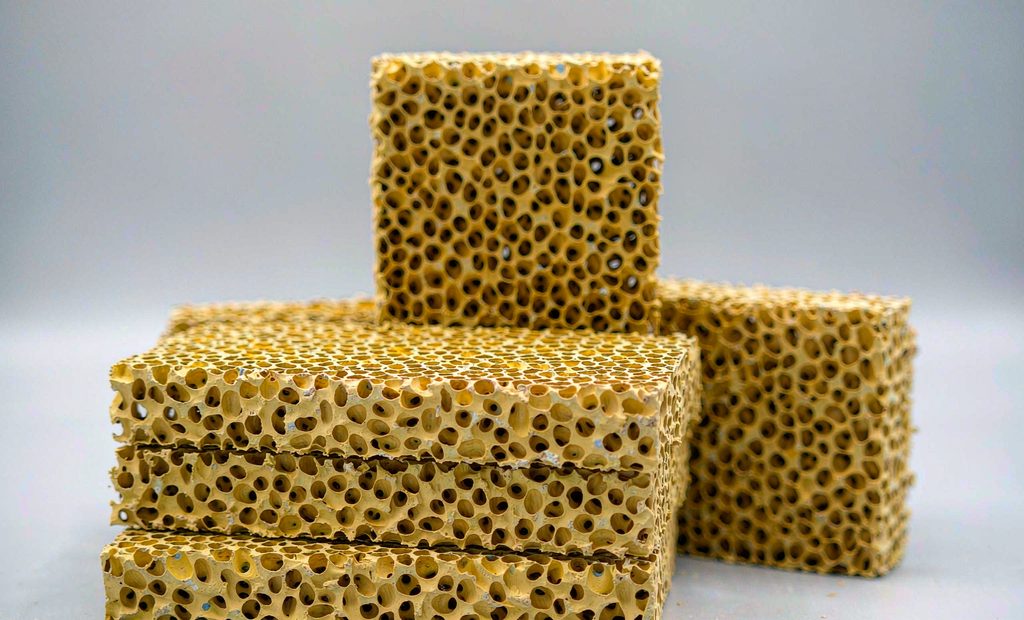
| Slag inclusion, inclusions | Incomplete slag raking, secondary oxidation during pouring | Standardize the dosage and spreading timing of the deslagging agent; install ceramic foam filters in the gating system |
| Insufficient core strength, core breakage | Low resin addition, high clay content in the raw sand, insufficient curing time | Replace washed sand with scoured sand; optimize the resin-to-hardener ratio; adjust the stripping time |
| Unstable carburizing, low absorption rate | Improper carburizer particle size and addition timing, low tapping temperature, excessive single addition | Adjust particle size and addition method; raise the tapping temperature; add in batches and stir thoroughly |
⑤ Operating Information to Prepare Before Selection
- ✓Casting material and grade (e.g. HT250, QT450-10, ZGMn13) and main wall thickness
- ✓Melting equipment and capacity (1-ton medium-frequency furnace / cupola), tapping temperature and treatment temperature
- ✓Molding process (clay sand / resin no-bake sand / resin-coated sand / lost foam), raw sand specification and clay content
- ✓Materials currently used and addition rates (e.g. carburizer 1.0%, nodulizer 1.3%)
- ✓Existing defects with photos, as well as monthly consumption and delivery rhythm
Note:The more complete the information above, the more accurate the selection advice. You are welcome to send us your current ratios and casting defects; our technicians can provide free selection and ratio optimization advice, and dispatch samples for trial casting to compare absorption rate, strength and gas evolution.
Need material and ratio recommendations for your conditions?
Provide the material, furnace type and current ratios to get a free selection plan and quotation