Nodulizer
Product Overview
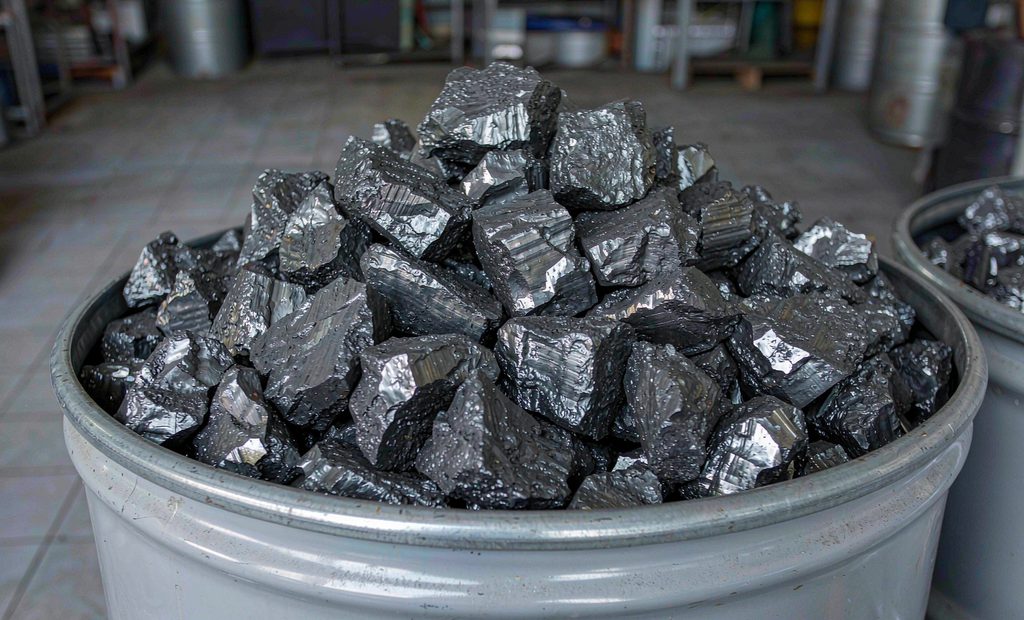
Because of its excellent overall mechanical properties, ductile iron is widely used in automotive crankshafts, wind power castings, pipe flanges, structural parts of construction machinery and other fields. Magnesium in the nodulizer is the key element promoting graphite nodularization, while rare earth plays a role in desulfurization, resisting interfering elements and refining the structure.
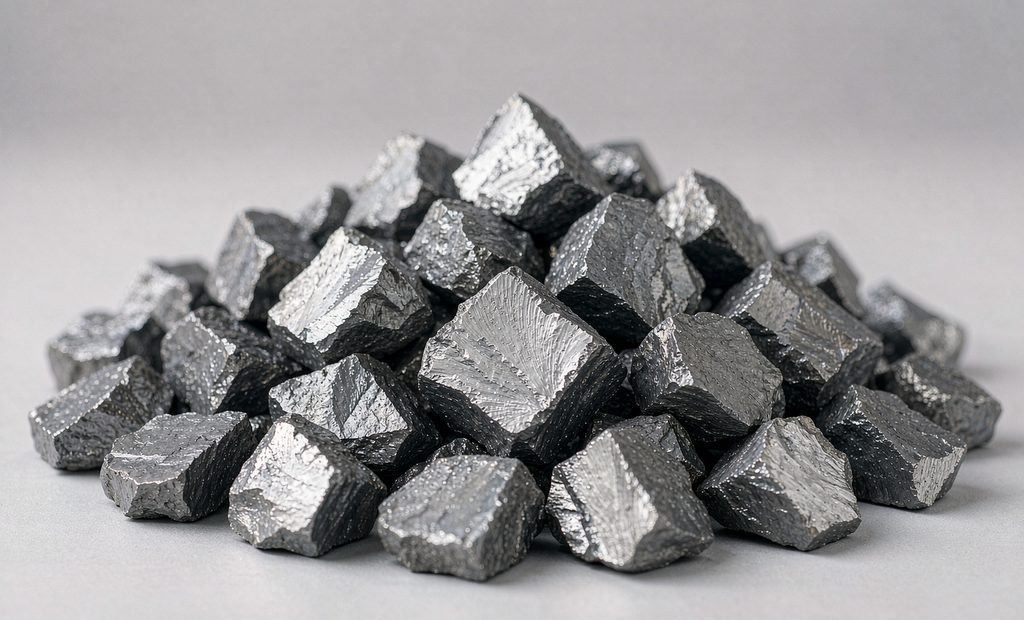
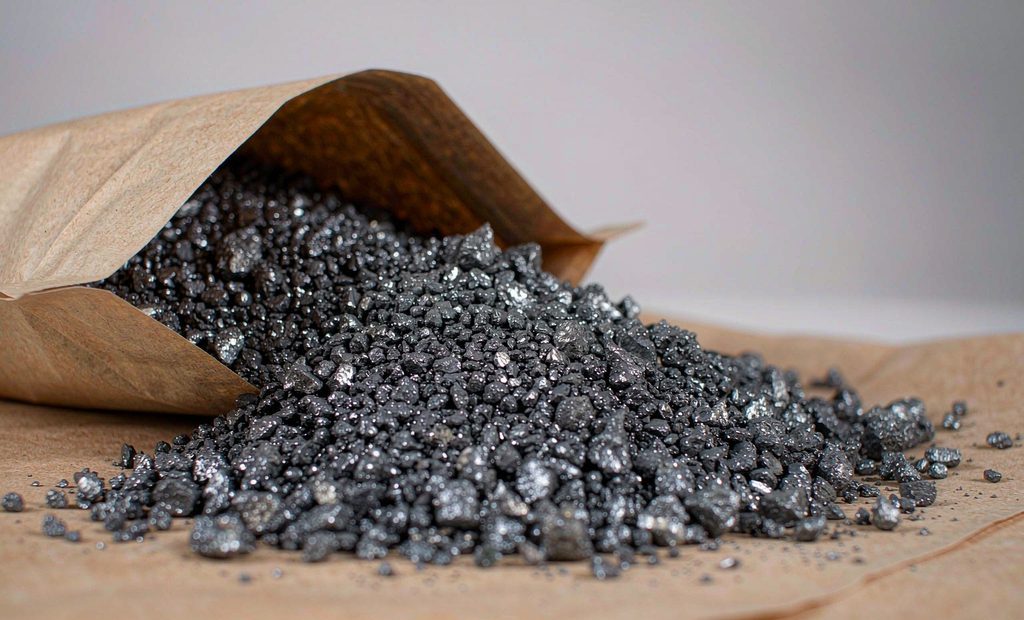
Our nodulizer is produced by medium-frequency furnace melting, giving a uniform composition with little segregation. A sample is taken and tested after each heat to ensure consistency between ladles. Grain sizes are strictly screened, free of powder and lumps, so the reaction after addition is stable and magnesium recovery consistent - helping customers stabilize nodularization quality and reduce the reject rate from poor nodularization.
Product Features
- ✓Accurate magnesium content range with little segregation, giving stable nodularization quality between batches
- ✓Reasonable rare-earth ratio with strong resistance to interfering elements, adapting to a variety of pig iron raw materials
- ✓Stable reaction with moderate magnesium flare and fume, safe and operator-friendly
- ✓Strong resistance to nodularization fade, suitable for long-distance transfer and heavy section pouring
- ✓Uniform grain size without powder, suitable for plunging and cored wire feeding
- ✓Magnesium and rare-earth ratios can be customized to base iron sulfur content and process
Common Grades and Chemical Composition
| Grade | Mg (%) | RE (%) | Si (%) | Ca (%) | Application |
|---|---|---|---|---|---|
| FeSiMg6RE2 | 5.0~7.0 | 1.0~3.0 | 38~44 | ≤3.0 | Low-sulfur molten iron, thin-walled small parts |
| FeSiMg8RE3 | 7.0~9.0 | 2.0~4.0 | 38~44 | ≤3.0 | General-purpose grade, most common for plunging |
| FeSiMg8RE5 | 7.0~9.0 | 4.0~6.0 | 38~44 | ≤3.0 | High-sulfur molten iron, many interfering elements |
| FeSiMg10RE7 | 9.0~11.0 | 6.0~8.0 | 38~44 | ≤3.0 | Heavy sections, high-sulfur conditions |
| Low-Silicon Nodulizer | Customized on request | Customized on request | 20~30 | ≤2.5 | Silicon-sensitive parts, incremental process |
* Grades comply with GB/T 28702 or standards agreed between supplier and buyer; Al content is generally ≤1.0%, and interfering elements such as Ti are strictly controlled.
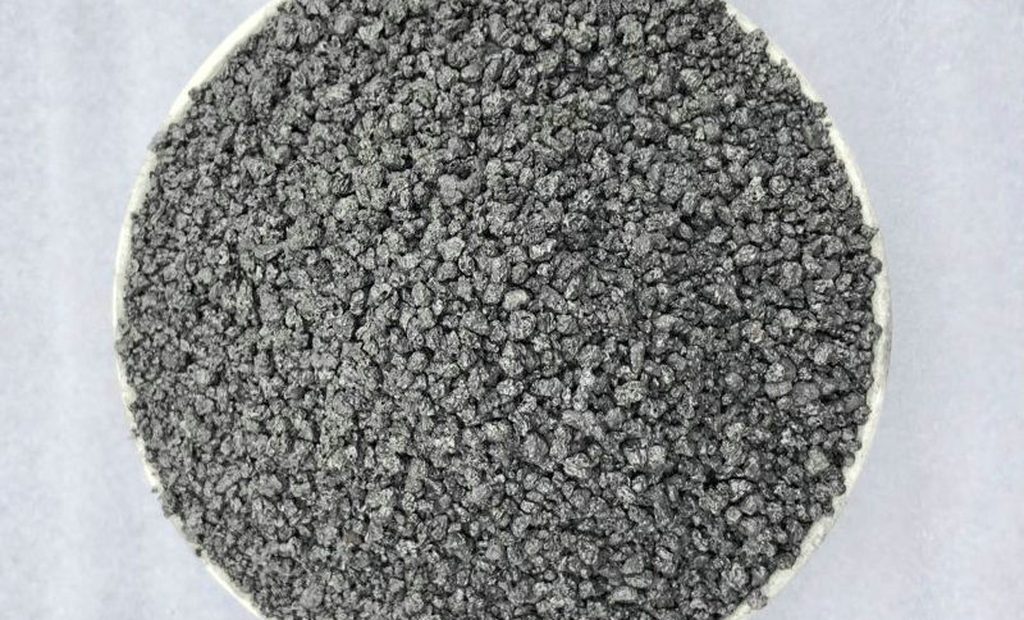
Available Particle Sizes
How to Use (Plunging Method as Example)
- Control base iron sulfur:Base iron sulfur content should be controlled below 0.02%-0.04%. When sulfur is high, increase the nodulizer addition appropriately or desulfurize first.
- Build a recess in the ladle bottom:Build a recess or dam on one side of the ladle bottom, place the nodulizer in it and cover with iron chips / perlite and compact to delay the reaction.
- Tapping and plunging:Direct the molten iron to the side without nodulizer; when about 2/3 has been tapped, let the nodulizer react fully, then fill the remaining iron after the magnesium flare subsides.
- Slag raking and inoculation:After raking off the nodularizing slag, add inoculant for inoculation treatment, then pour as soon as possible (within 15 minutes recommended) to prevent nodularization fade.
- In-front-of-furnace inspection:Pour a triangular test block or rapid metallographic sample to check the nodularity grade, and pour the castings only after confirming compliance.
Customers using the wire feeding process can choose the cored wire grain size (0-2 mm), or we can supply the raw material for cored wire directly; contact our technicians for assistance with specific ratios.
Wire Feeding Nodularization Line
Wire feeding nodularization (cored wire injection) is a treatment process in which nodulizer powder is sheathed in low-carbon steel strip to form cored wire, fed at a set speed by a wire feeder into the depth of the ladle. It is the most widely used nodularizing method on medium and large ductile iron production lines after the plunging method. We can supply nodulizer powder for wire feeding nodularization lines along with selection guidance, working together with wire feeding equipment and cored wire manufacturers.
- ✓The reaction takes place deep in the ladle bottom, giving high and stable magnesium recovery, generally 1.2-1.5 times that of the plunging method
- ✓The nodulizer addition can be precisely metered and adjusted while feeding, giving stable nodularity grades with little fluctuation
- ✓Less magnesium flare and fume, less slag, better working conditions and no dedicated treatment ladle required
- ✓The wire feeder can be shared with inoculation and vermicularizing lines for multi-station continuous production
- ✓Particularly suitable for large-tonnage, continuous ductile iron production lines and high-grade ductile iron parts
* Common cored wire specification: wire diameter 13 mm, core of FeSiMg series nodulizer (Mg 15%-30% optional), feeding speed generally 20-60 m/min; the addition rate is determined by base iron sulfur content and target nodularity grade. Contact our technicians to calculate specific wire weight, gram weight and feeding parameters.
Packaging, Storage & Transport
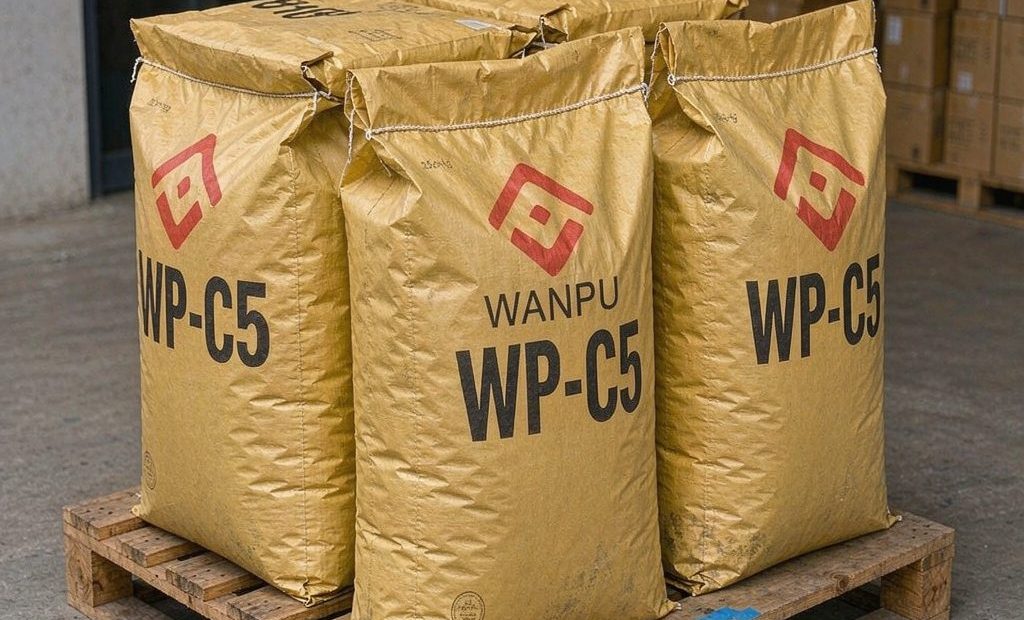
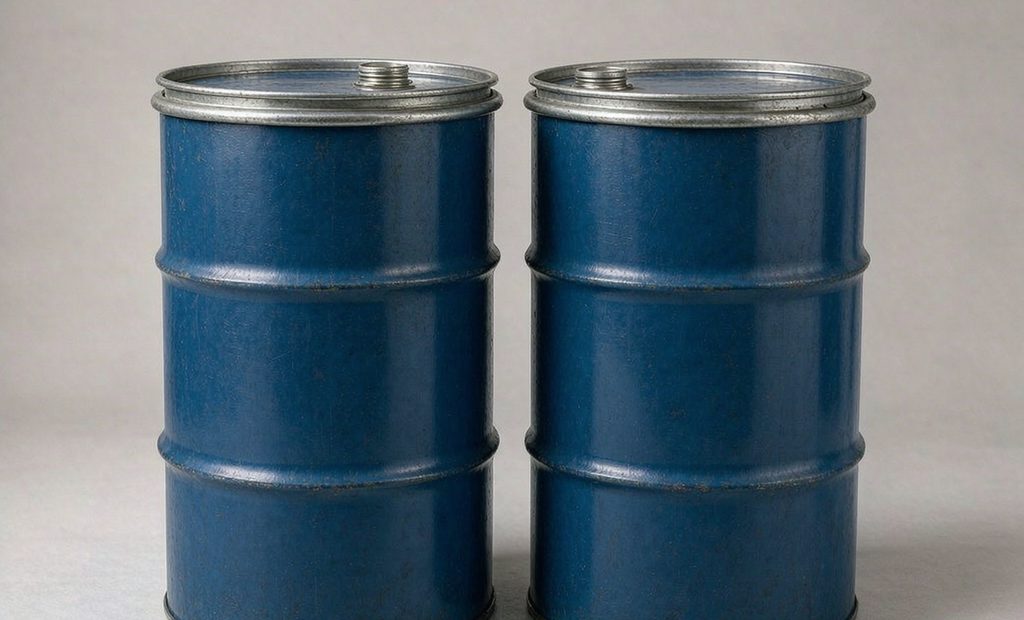
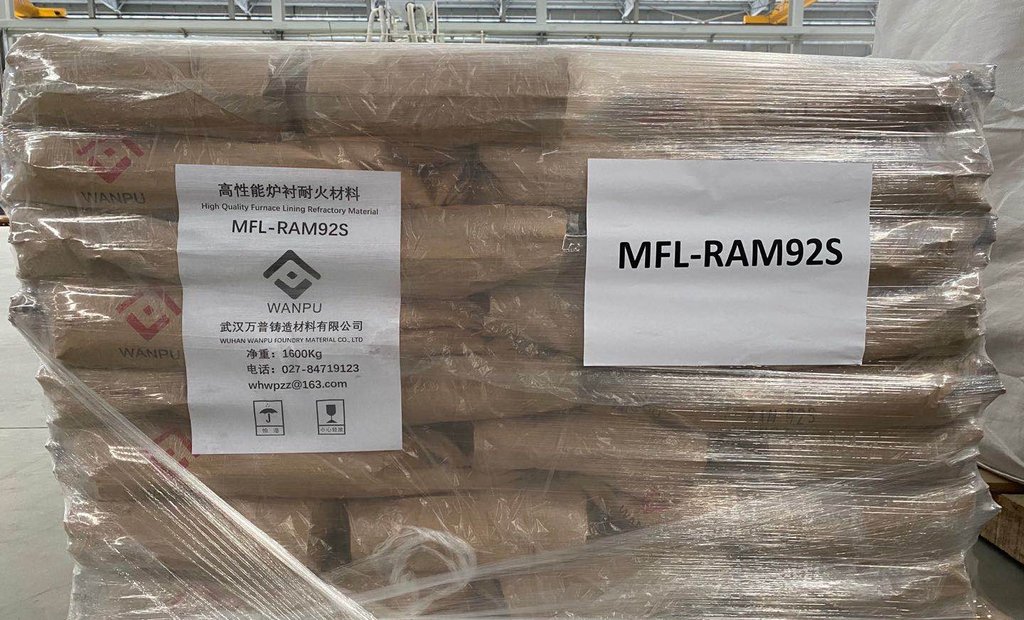
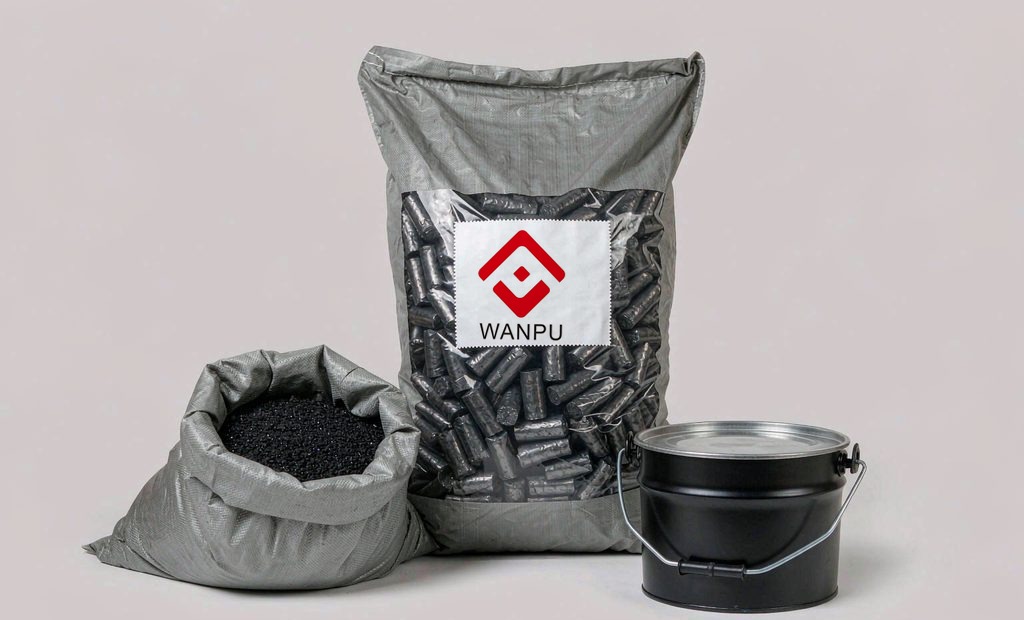
25 kg moisture-proof woven bags / 1-ton jumbo bags with waterproof liner. Nodulizer readily absorbs moisture and oxidizes, so it must be stored in a dry, ventilated warehouse; open-air storage and rain exposure are strictly prohibited. We recommend rolling purchases based on monthly consumption with first-in-first-out. Caked product due to moisture must not be used directly and requires assessment and treatment.
Need a nodulizer quotation?
Tell us the grade, grain size and monthly consumption for a favorable quotation the same day