Carburizer
Product Overview
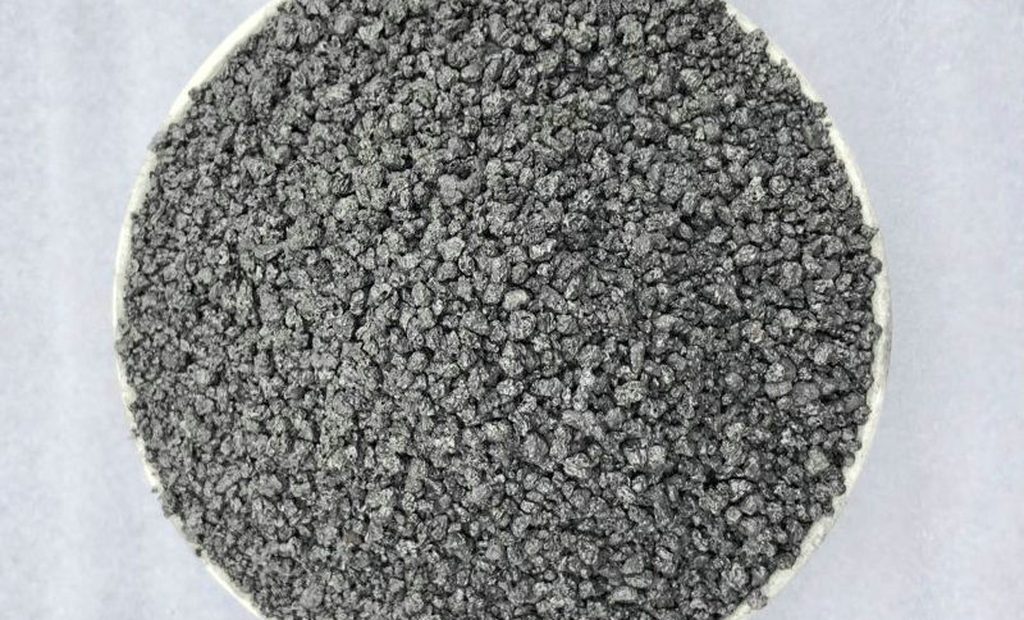
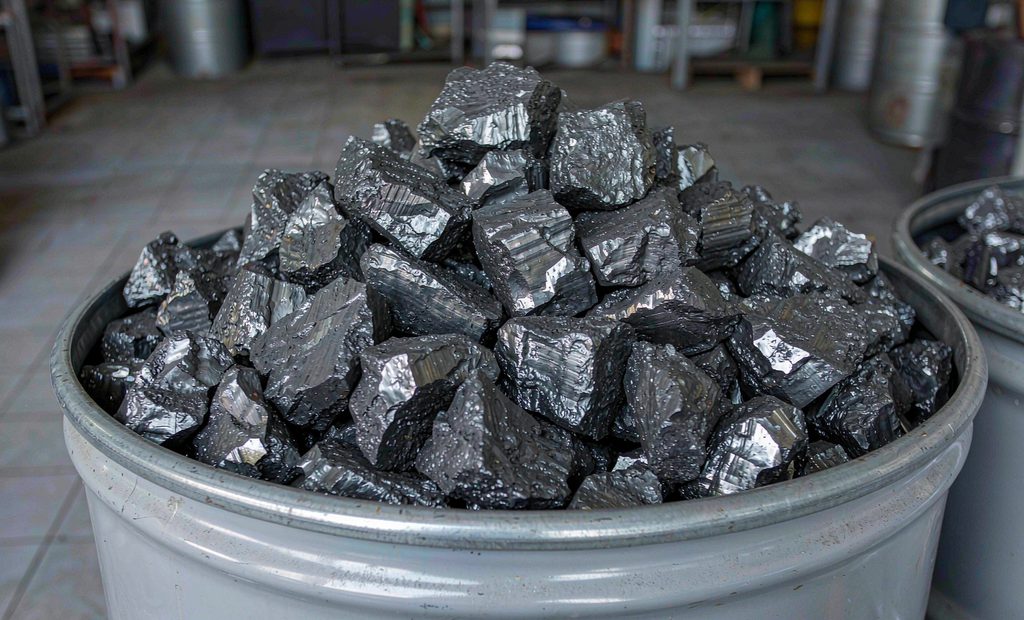
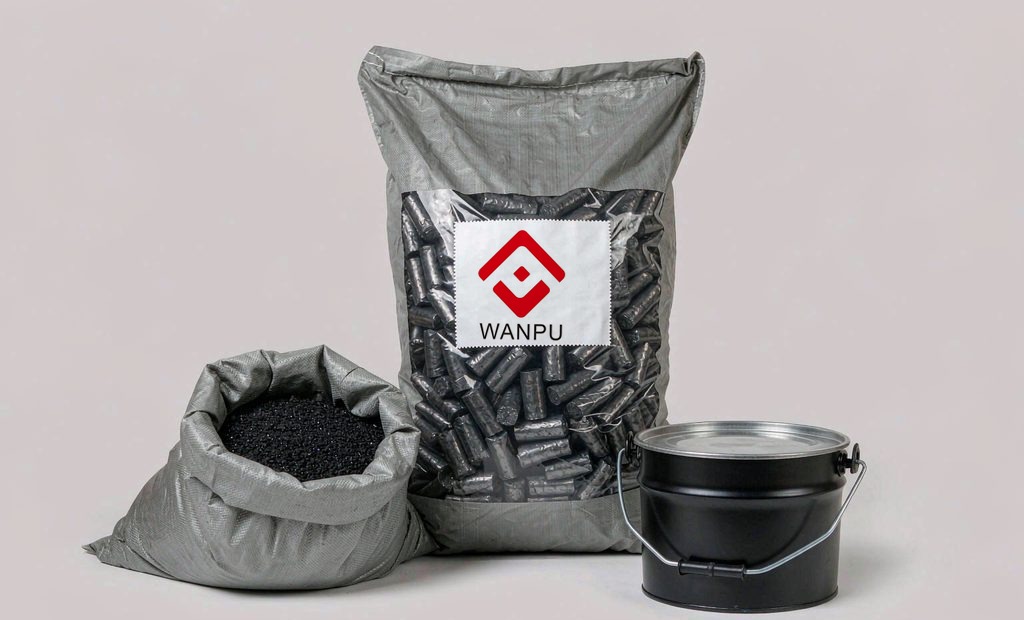
With the growing popularity of the "scrap steel + carburizer" synthetic cast iron process, high-quality carburizer has become key to the quality of synthetic cast iron. Graphitized petroleum coke carburizer is treated by high-temperature graphitization, so its carbon atoms are arranged in a graphite microcrystalline structure. It dissolves and diffuses quickly in molten iron with a high absorption rate and introduces very little harmful sulfur and nitrogen, making it the preferred carburizing material for high-quality cast iron.
In molten iron treated with high-quality carburizer, graphite nucleation is strong and eutectic cells are fine and dense, giving castings high strength, good machinability and low porosity tendency. Our carburizer comes from a stable raw material source, and every batch is tested before delivery for five indicators - fixed carbon, sulfur, ash, volatile matter and moisture - with an inspection report supplied with the goods.
Product Features
- ✓Fixed carbon ≥98.5% for high carburizing efficiency and lower consumption
- ✓Low sulfur (≤0.05%) and low nitrogen, without degrading molten iron quality
- ✓High degree of graphitization, with an absorption rate of over 92%
- ✓Uniform particle size free of impurities, dissolving and diffusing quickly
- ✓Low ash and volatile matter, resulting in less slag and less fume
- ✓Suitable for induction furnace synthetic cast iron processes and carbon adjustment
Technical Data
| Item | Indicator | Description |
|---|---|---|
| Fixed Carbon (C) | ≥ 98.5% | Graphitized petroleum coke, high-temperature graphitized |
| Sulfur (S) | ≤ 0.05% | Low-sulfur design to reduce sulfur pick-up risk in ductile iron |
| Nitrogen (N) | ≤ 300 ppm | Low nitrogen to prevent subsurface porosity defects |
| Ash | ≤ 0.8% | Low slag volume, cleaner molten iron |
| Volatile Matter | ≤ 0.5% | Low fume, a friendlier workshop environment |
| Moisture | ≤ 0.5% | Controlled by drying before delivery |
| Absorption Rate | ≥ 92% | Under normal induction furnace melting conditions |
* Medium and lower-grade calcined petroleum coke carburizer and graphite electrode scrap are also available; consult us for cost-effective options.
Matching Product: Silicon Carbide (SiC) Carburizing & Deoxidizing Agent
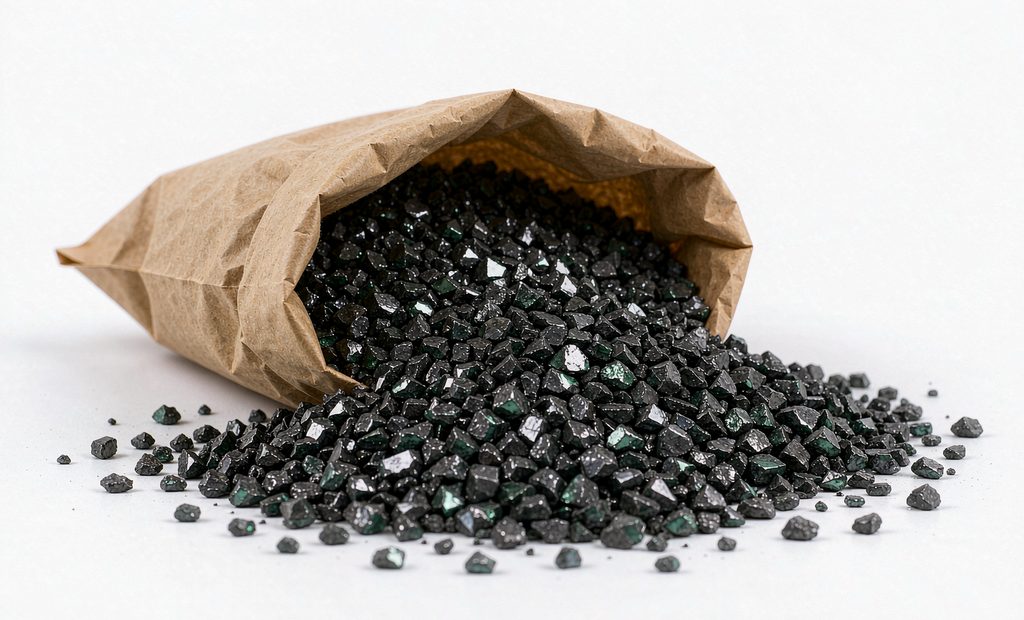
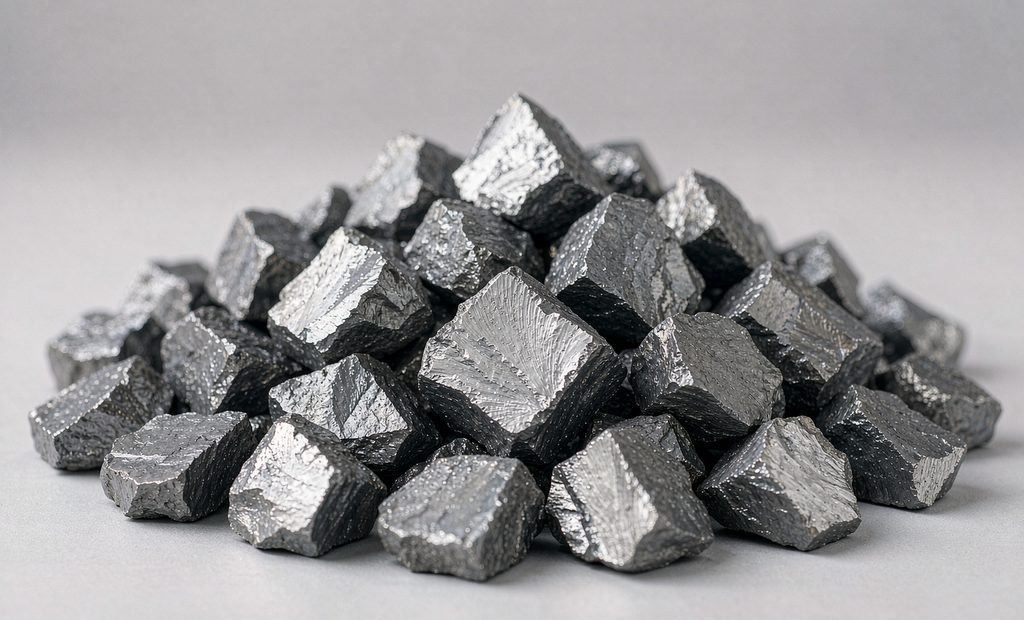
Silicon carbide is a common multi-functional additive for carburizing and deoxidizing in foundries: it decomposes in molten iron above 1400°C to release carbon and silicon, completing carburizing and pre-deoxidation at the same time, reducing the amount of aluminium deoxidation and improving molten iron cleanliness and graphite nucleation conditions. Used together with carburizer, it raises both carbon and silicon content, reduces inoculant consumption and lowers charge cost.
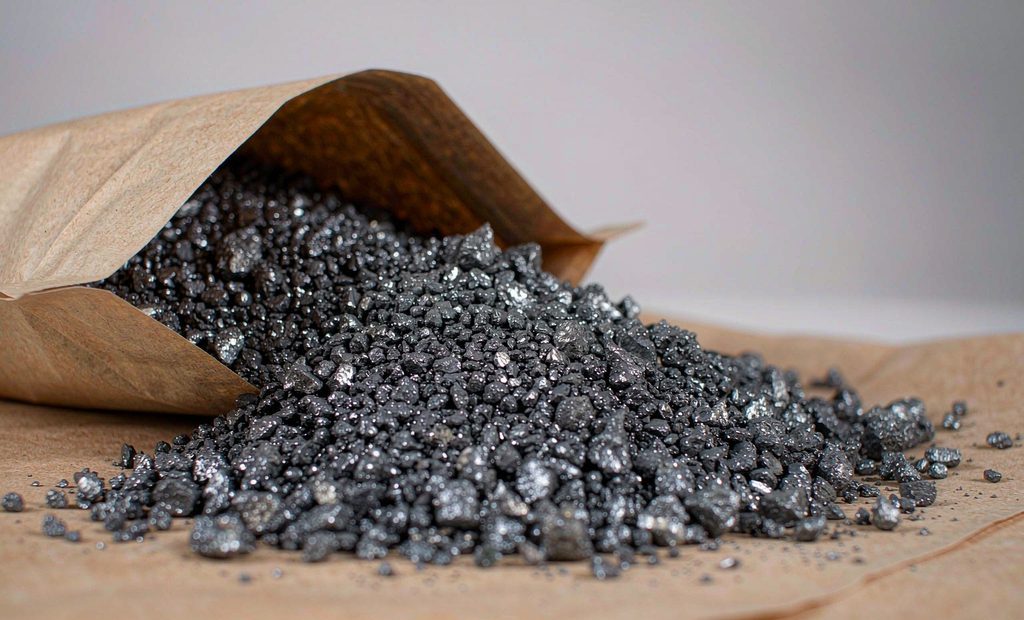
Our silicon carbide is made from premium metallurgical-grade raw materials, with SiC content available in multiple grades from 88% to 98%, uniform particle size and low impurities. Each batch is tested before delivery for SiC, free carbon, moisture and other indicators, supplied with an inspection report, and open to sampling re-inspection.
| Grade | SiC Content | Free Carbon (FC) | Typical Applications |
|---|---|---|---|
| SiC 98 | ≥ 98% | ≤ 0.5% | High-end synthetic cast iron, precision carburizing and deoxidizing |
| SiC 95 | ≥ 95% | ≤ 1.0% | General carburizing and deoxidizing for induction furnaces |
| SiC 90 | ≥ 90% | ≤ 2.5% | Carburizing in gray iron and ductile iron charges |
| SiC 88 | ≥ 88% | ≤ 3.0% | Economical charges, cupola use |
* Available particle sizes 1-5 mm / 5-10 mm (custom screening available). The dosage is generally estimated at 1.5-2 times the target silicon increase (absorption rate 70%-90%); decomposition and absorption are best at a molten iron temperature above 1450°C. The above are standard grades; special composition and particle size requirements can be customized.
Available Particle Sizes
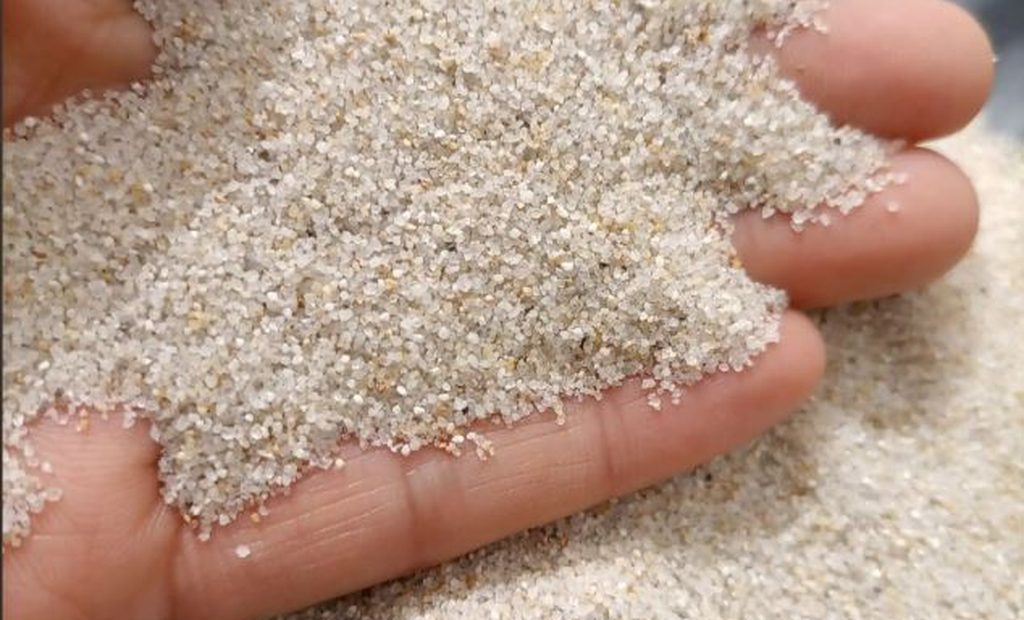
Particle size selection principle: choose fine grains for small furnaces with fast melting; coarse grains can be used when charging with the furnace burden in large furnaces to reduce burning loss. Finer grains absorb faster, but dust loss increases accordingly - select according to your conditions.
How to Use
- Charge calculation:Calculate the addition rate according to target carbon content and carburizer absorption rate (generally estimated at 85%-92%); increase it accordingly when the scrap steel proportion is high.
- Charging with the furnace:Add the carburizer to the furnace in layers or mixed with scrap steel and returns, melting together with the charge for the fullest absorption and least burning loss.
- Intermediate addition:If carbon is insufficient after melt-down, add on the surface of the molten iron with stirring (electromagnetic or manual) to accelerate dissolution and absorption.
- Temperature control:Absorption is best at a molten iron temperature of 1450-1550°C; avoid prolonged high-temperature holding, which causes carbon burning loss.
- Composition re-check:After carburizing, take a sample for spectral analysis and confirm the carbon content before proceeding to nodularizing, inoculation and subsequent treatment.
Packaging, Storage & Transport
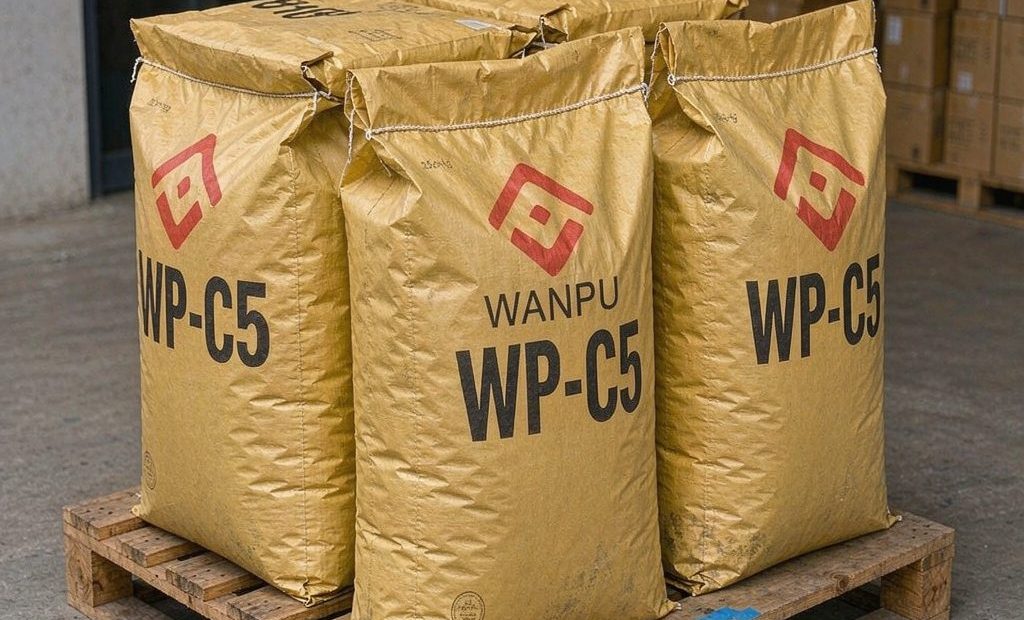
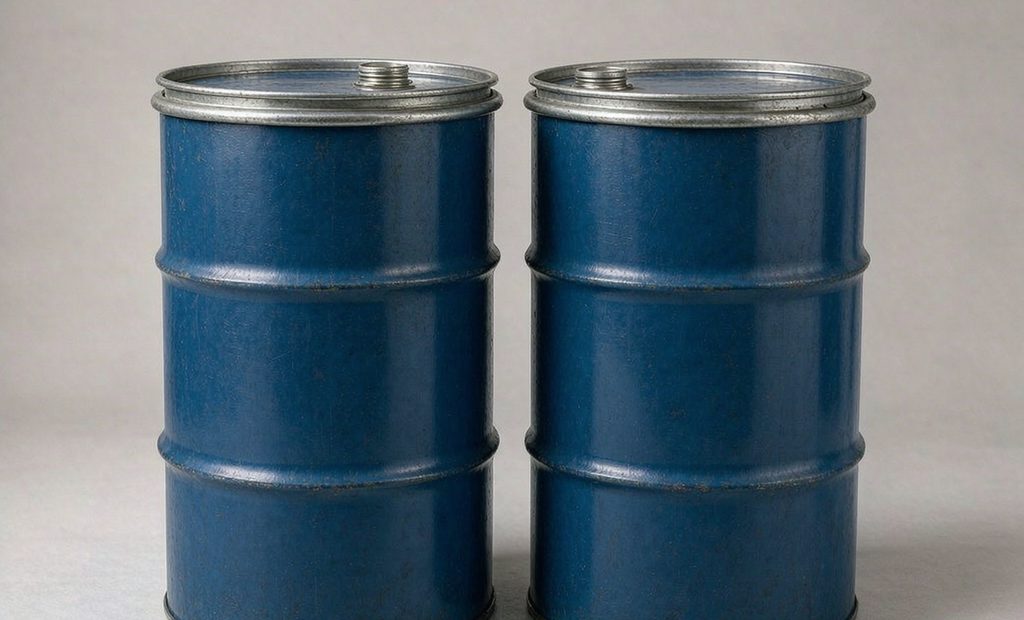
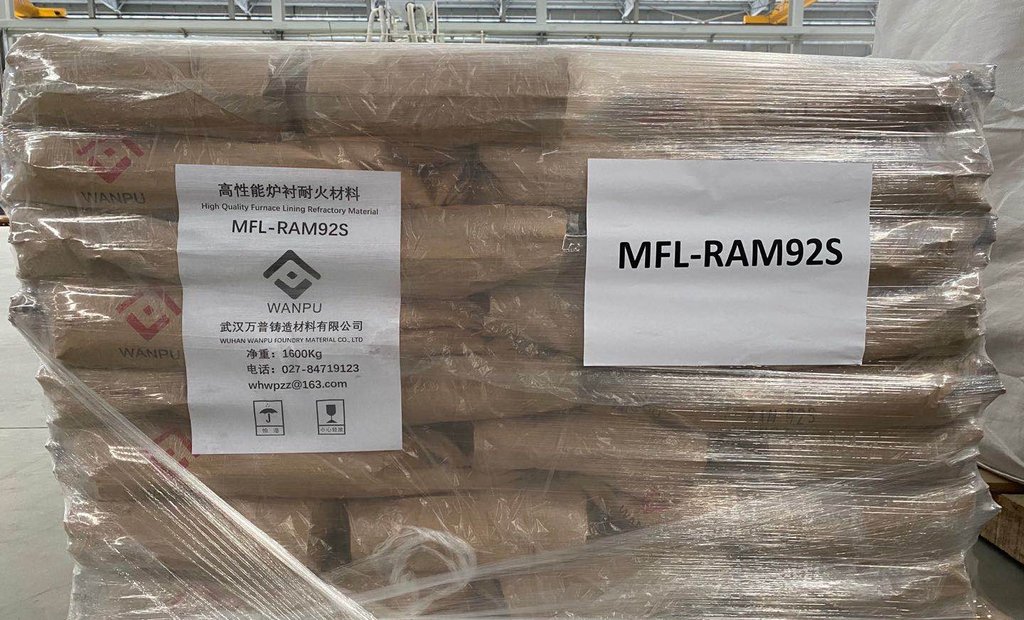
25 kg moisture-proof woven bags / 1-ton jumbo bags. The product should be stored in a dry warehouse to prevent moisture pick-up and caking; protect from rain and damage during transport. Stock is available year-round and can be delivered in batches according to monthly consumption to reduce customers' capital tie-up.
Need a carburizer quotation?
Tell us the particle size, monthly consumption and process conditions for a quotation the same day