Foundry Resin
Sub-Categories
| Sub-Category | System / Composition | Main Applications |
|---|---|---|
| Cold-Box Resin | Two-component: Part I phenolic resin + Part II polyisocyanate, triethylamine gas cured | Cold-box core shooting process; complex cores such as water jacket cores, gas passage cores and hydraulic valve cores |
| Alkaline Phenolic Resin | Alkaline phenolic resin with matching organic ester hardener, room-temperature cured | Ester-cured alkaline phenolic resin sand process; molding and core making for cast steel, alloy steel and large cast iron parts |
* Standard grades are available from stock; other viscosity and strength requirements can be customized by phone. Wholesale by the tonne is supported.
Detailed Sub-Category Information
▍Cold-Box Resin (Two-Component)
Part I phenolic resin and Part II polyisocyanate are used together in proportion. After sand mixing, the mixture is shot into the core box and triethylamine gas is introduced, curing at room temperature within seconds to tens of seconds - cores can be set immediately after stripping. Curing is fast and productivity high, cores are dimensionally accurate with a smooth surface, and no heating or drying is required. It is particularly suitable for volume production of thin-walled complex cores such as engine block water jacket cores and intake/exhaust port cores. Our resin has controlled free phenol and free formaldehyde indicators, with less odour and fume, improving the workshop environment. The ratio of the two components can be adjusted according to raw sand grain size and seasonal temperature and humidity to keep curing speed and final strength stable.
▍Alkaline Phenolic Resin (Ester-Cured)
Alkaline phenolic resin cures at room temperature with an organic ester hardener (such as glycol diacetate). The resin contains no nitrogen, so no nitrogen porosity defects occur during pouring. The molding sand has good high-temperature collapsibility and shakes out easily; castings have a smooth surface and low tendency to slag inclusion and porosity. It is particularly suitable for molding and core making of cast steel, alloy steel and large cast iron parts sensitive to porosity, and is also a common binder for special sand facing systems such as chromite sand and ceramic sand. Working time and curing speed can be flexibly adjusted through the type and amount of hardener to suit different temperatures and production rhythms.
Main Technical Data
| Test Item | Cold-Box Resin Part I | Cold-Box Resin Part II | Alkaline Phenolic Resin |
|---|---|---|---|
| Appearance | Light yellow to brownish-red transparent liquid | Brown liquid | Brownish-red liquid |
| Viscosity (25°C) | ≤ 250 mPa·s | ≤ 150 mPa·s | ≤ 300 mPa·s |
| Density (25°C) | 1.05 ~ 1.15 g/cm³ | 1.05 ~ 1.15 g/cm³ | 1.15 ~ 1.25 g/cm³ |
| Free Phenol | ≤ 4% | — | ≤ 1% |
| Free Formaldehyde | ≤ 0.5% | — | ≤ 0.5% |
| Isocyanate Content | — | 26% ~ 30% | — |
| Tensile Strength of Standard Sand Core* | Final strength ≥ 2.0 MPa (resin addition 1.4%) | 24 h strength ≥ 1.2 MPa | |
* Measured on standard sand "8"-shaped test blocks prepared to GB/T 2684. Actual strength varies with raw sand grain size, clay content and temperature; trial casting results prevail.
Application and Ratio Recommendations
- ✓Cold-box process: total resin addition is generally 1.0%-1.6% of sand weight; Part I : Part II is commonly 55:45 (adjustable for curing speed)
- ✓Sand mixing: add Part I first and mix well, then add Part II to prevent premature contact of the two components; mixing time of 1-2 minutes is appropriate
- ✓Amine curing: the amount of triethylamine and gassing time are adjusted to the core volume; after gassing, purge with dry air for 10-30 seconds
- ✓Ester-cured alkaline phenolic resin: resin addition is generally 1.2%-1.8% of sand weight, with hardener at 25%-35% of the resin weight
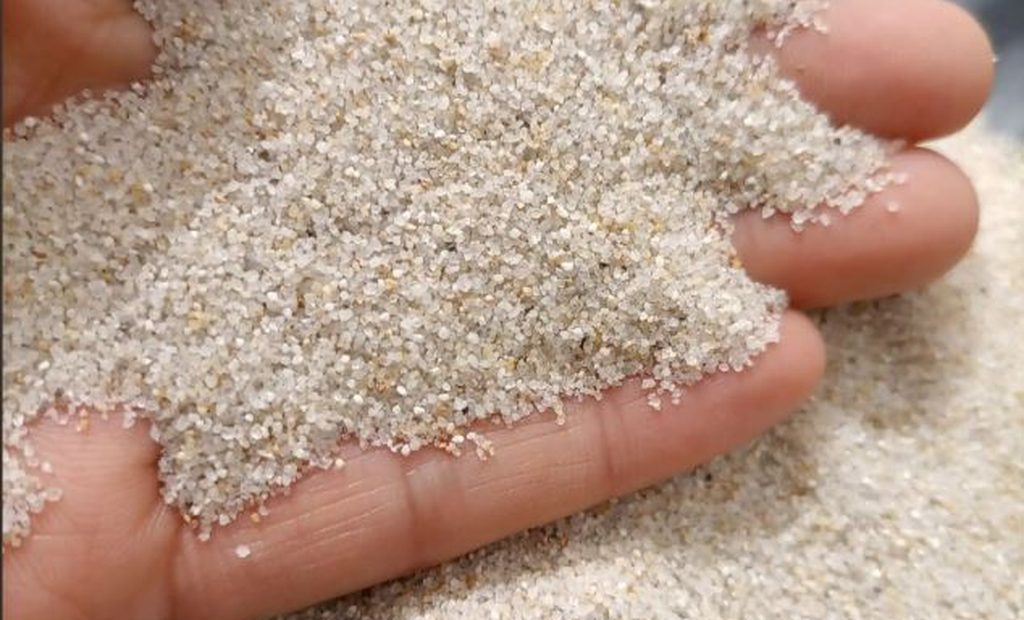
- ✓We recommend matching with low-clay-content scoured sand (≤0.3%), which can reduce resin consumption by more than 10% and increase strength
- ✓In winter, curing slows down at low temperatures; hardener activity can be increased or the ratio adjusted. We provide seasonal ratio schemes
Packaging, Storage & Transport
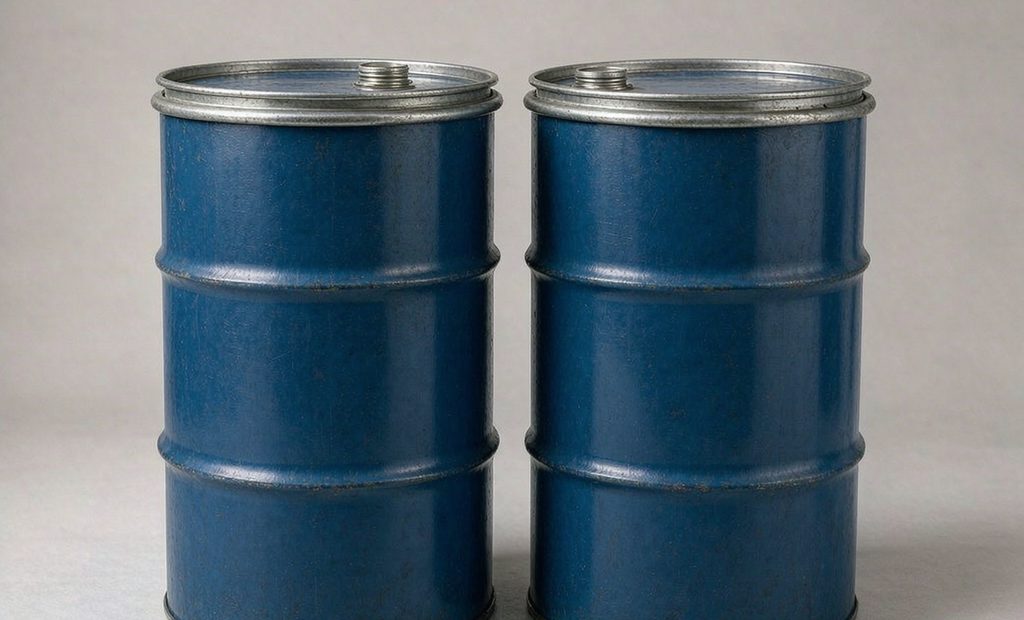
Packed in 220 kg steel drums or 1-ton IBC containers; custom packing available on request. As a chemical product, it should be stored in a cool, ventilated warehouse away from fire, heat sources and oxidizers, avoiding direct sunlight. Recommended storage temperature 5-35°C, shelf life generally 6 months. Transport follows chemical transport regulations; avoid heavy impact and drum damage during handling.
Need a foundry resin quotation or samples?
Provide your raw sand and process conditions to obtain wholesale prices and free samples